Technical Consultancy + Delivery

Software that works.
Architecture to production.

We help teams design, build, and operate software systems — from architecture and delivery pipelines to production support and technical leadership.

Most software teams don't struggle with ideas. They struggle with execution — legacy systems that resist change, releases that feel risky, observability gaps that turn small issues into long outages, and architectures that made sense two years ago but don't scale to what the business needs now.

Biobot Labs helps you close that gap. We work alongside your team to modernise what's holding you back, build what you need next, and put the practices in place so you can keep shipping with confidence after we leave.

Four areas, often combined in a single engagement.

Architecture & Platform Engineering

System design, API strategy, event-driven architectures, cloud infrastructure, and observability. We integrate LLMs, agent frameworks, and MCP servers into existing platforms — and build the foundations that make AI features reliable in production.

Reduced integration failures, faster incident response, AI-ready architecture your team can extend.

Automation & Applied AI

Workflow automation, integration pipelines, and AI-assisted decision support — with safe fallbacks and human-in-the-loop controls.

Fewer missed events, faster response times, measurable reduction in repetitive manual work.

Modernisation & Delivery

Legacy migration, CI/CD pipelines, release engineering, test strategy, and technical debt reduction. If your team spends more time fighting the build than building features, we fix that.

Faster, safer releases; fewer regression issues; a codebase your team can maintain and extend.

Fractional CTO & Technical Advisory

Architecture reviews, technology strategy, team upskilling, and vendor evaluation. Senior technical leadership without a full-time executive hire.

Clearer technical direction, better hiring and vendor decisions, reduced rework from architectural missteps.

A clear path from problem to solution.

Every engagement starts with understanding what you're trying to achieve — not what technology you want to use.

1

Discovery Sprint

1–2 weeks. We review your systems, talk to your team, and define measurable success criteria. You get a written assessment with a prioritised roadmap.

2

Build & Deliver

4–8 weeks. Hands-on development alongside your team. Production code, pipelines, and working software — with tests and documentation from day one.

3

Productionise

Ongoing. Hardening, monitoring, documentation, and operational handover. Systems your team can own and operate without us.

4

Advisory & Fractional

Retained. Ongoing technical leadership — architecture decisions, code reviews, team coaching, and strategy.

Principles, not slogans.

Reliability over novelty

We pick the approach that works, not the one that's trending.

Test early, test often

If it hasn't been validated in the environment where it'll run, it hasn't been validated.

Measure what matters

Every engagement starts with a baseline and targets real, quantifiable improvement.

Design for maintainers

The people who keep a system running deserve clear documentation, sensible defaults, and a design they can reason about.

Not tied to a single stack.

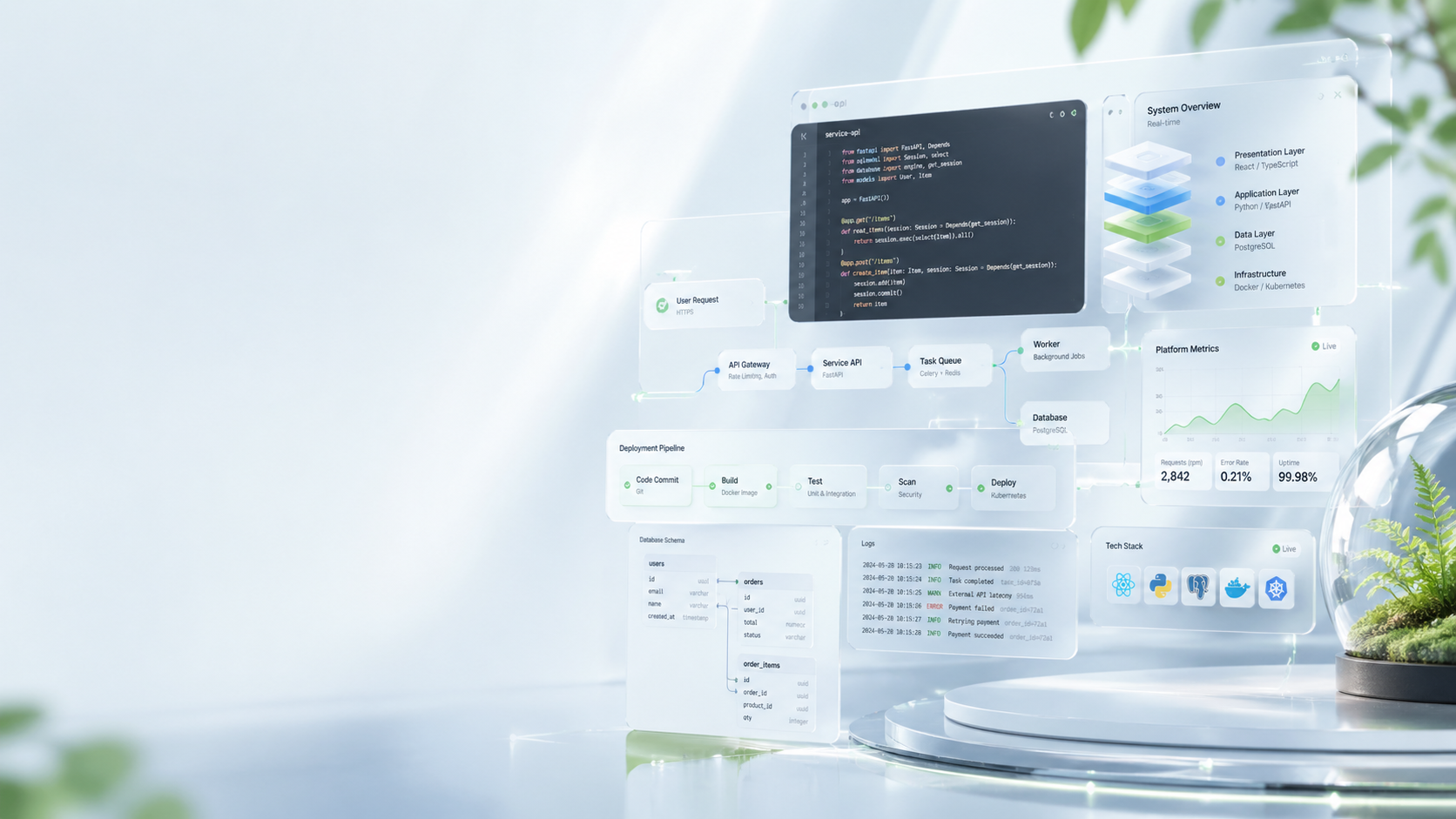
We work across .NET, Node, Python, and TypeScript, with PostgreSQL, Redis, and event-driven messaging. Cloud infrastructure on Azure and AWS, with Docker, Terraform, and GitHub Actions for CI/CD. We pick the right tools for the problem — not the other way around.

Built on experience.

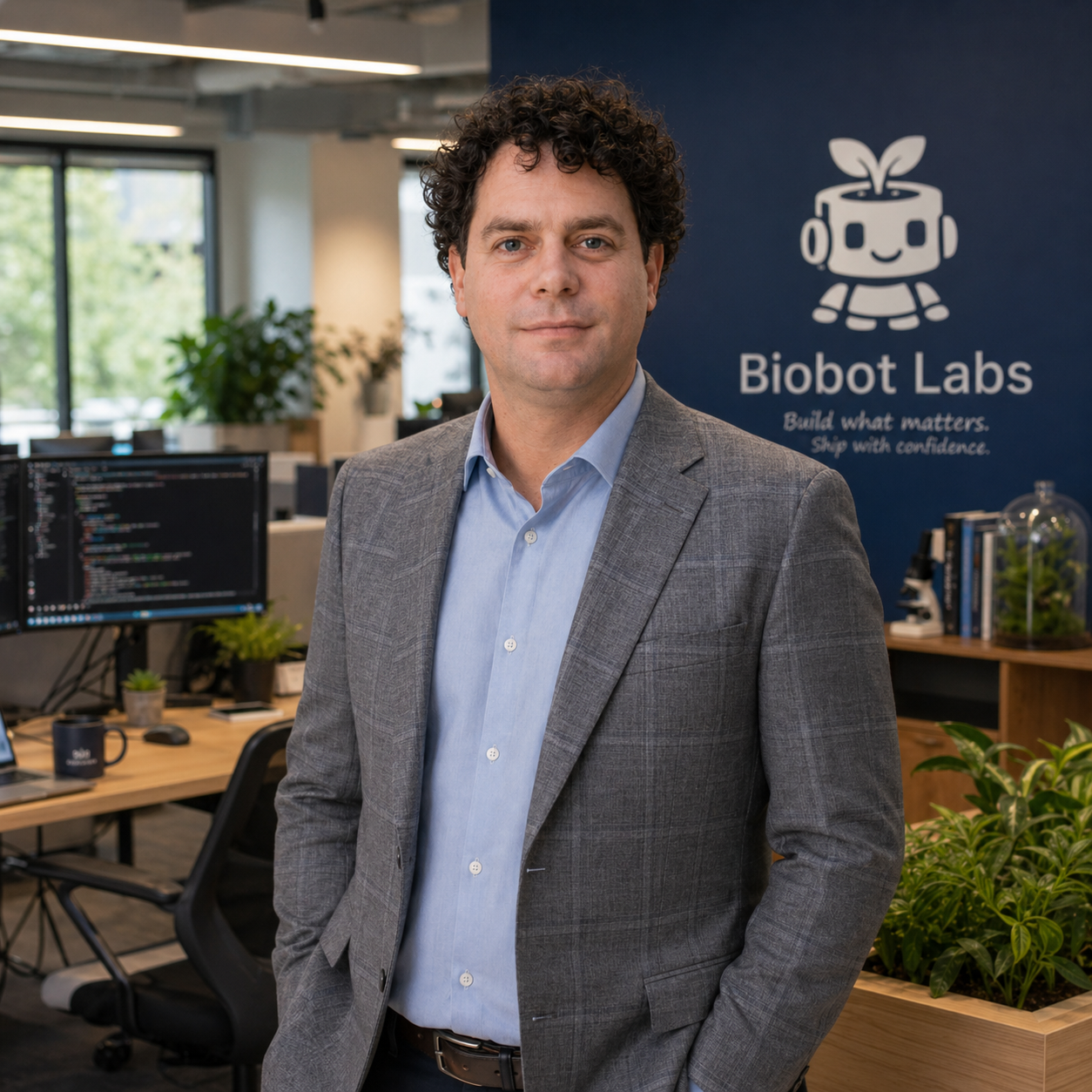
Biobot Labs is founded by John Allan — 25+ years modernising operational systems across platform engineering, software architecture, and technical delivery. Based in the UK, working with teams internationally.

We work with teams that have real problems to solve: legacy platforms that resist change, growing technical debt, releases that feel risky, or a need for experienced technical leadership without the overhead of a full-time hire.

Every engagement is founder-led. You work directly with the person making architectural decisions and writing code — not a sales team that hands you off to juniors.

Start with a conversation.

If your team is dealing with a legacy platform that resists change, releases that feel risky, or a growing technical debt backlog — we should talk.